Current Projects
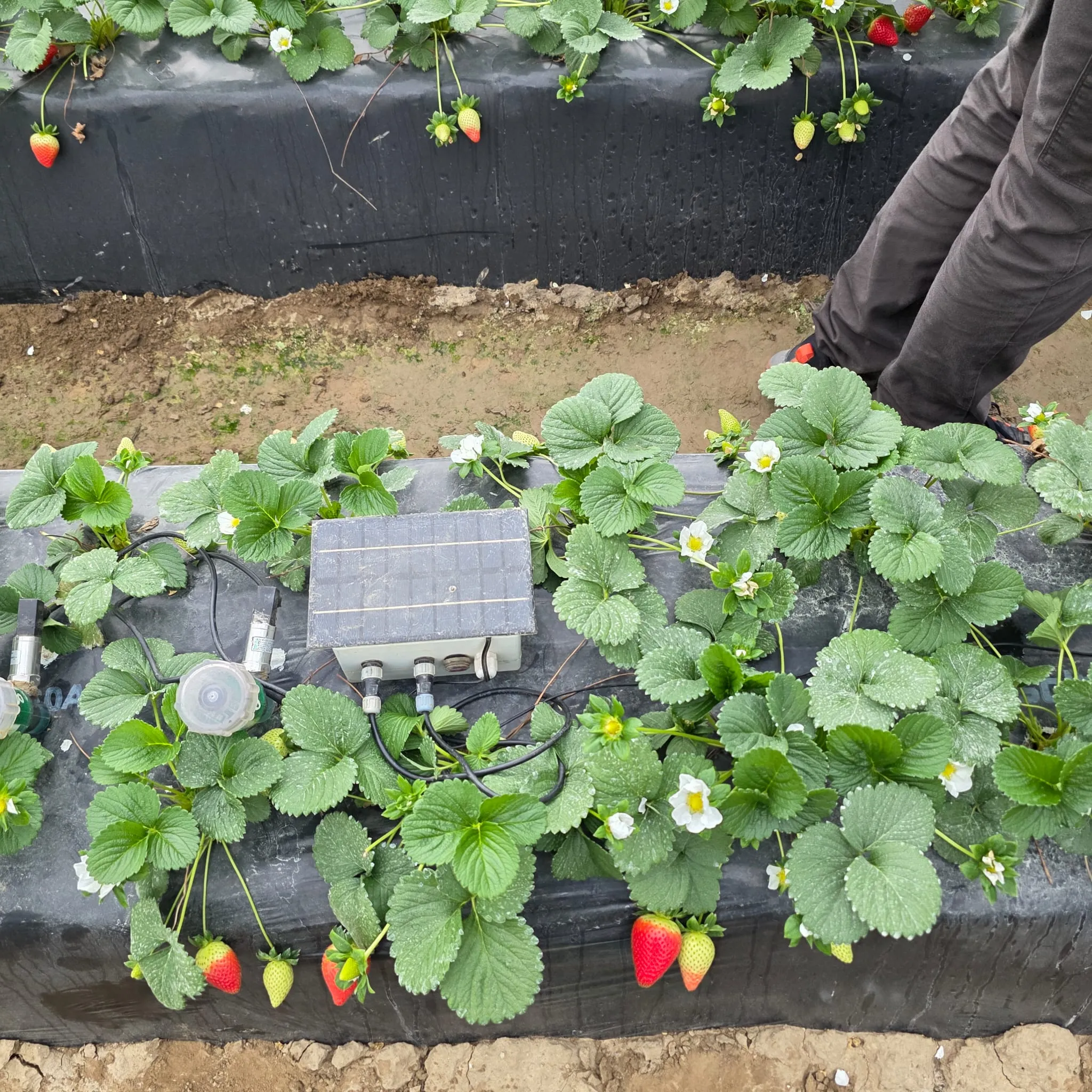
Agricultura y ganadería regenerativa con base científica para la sostenibilidad del entorno Doñana: mitigación de impactos y restauración de valores naturales y culturales (DOÑANA-REGENERA)
How can we use scientific based approaches to improved the sustainability of agriculture in Doñana?
Aims to transform agricultural and livestock practices to reduce water use, improve soil quality, increase biodiversity, and promote ecosystem restoration, while highlighting the value of rainfed crops and native livestock breeds. It focuses on three main actions: replacing environmentally intensive farming practices, enhancing biodiversity among vertebrates and insects, and synthesizing the results of experimental actions to support their dissemination and replication.
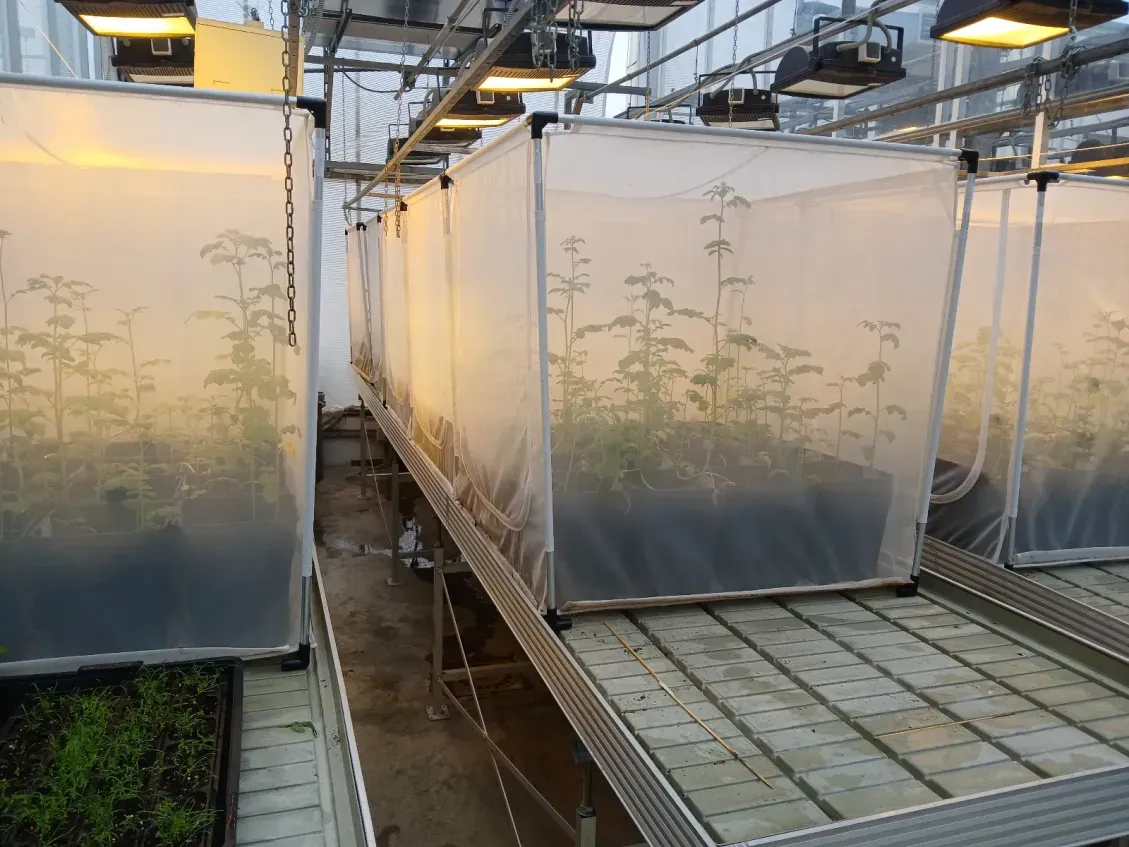
Unifying coexistence and coinfection under a common framework (UCCO)
How do host competition, host processes, and spatial dynamics determine the coexistence and virulence of parasite communities?
Investigates why multiple parasite species commonly coexist within hosts despite expectations of competitive exclusion. By integrating ecological theory and empirical approaches, it examines how within-host competition, host defenses, and spatial dynamics interact to shape coinfection and virulence. The goal is to develop a predictive, multi-scale framework for understanding parasite coexistence and its consequences for host health and ecosystems.
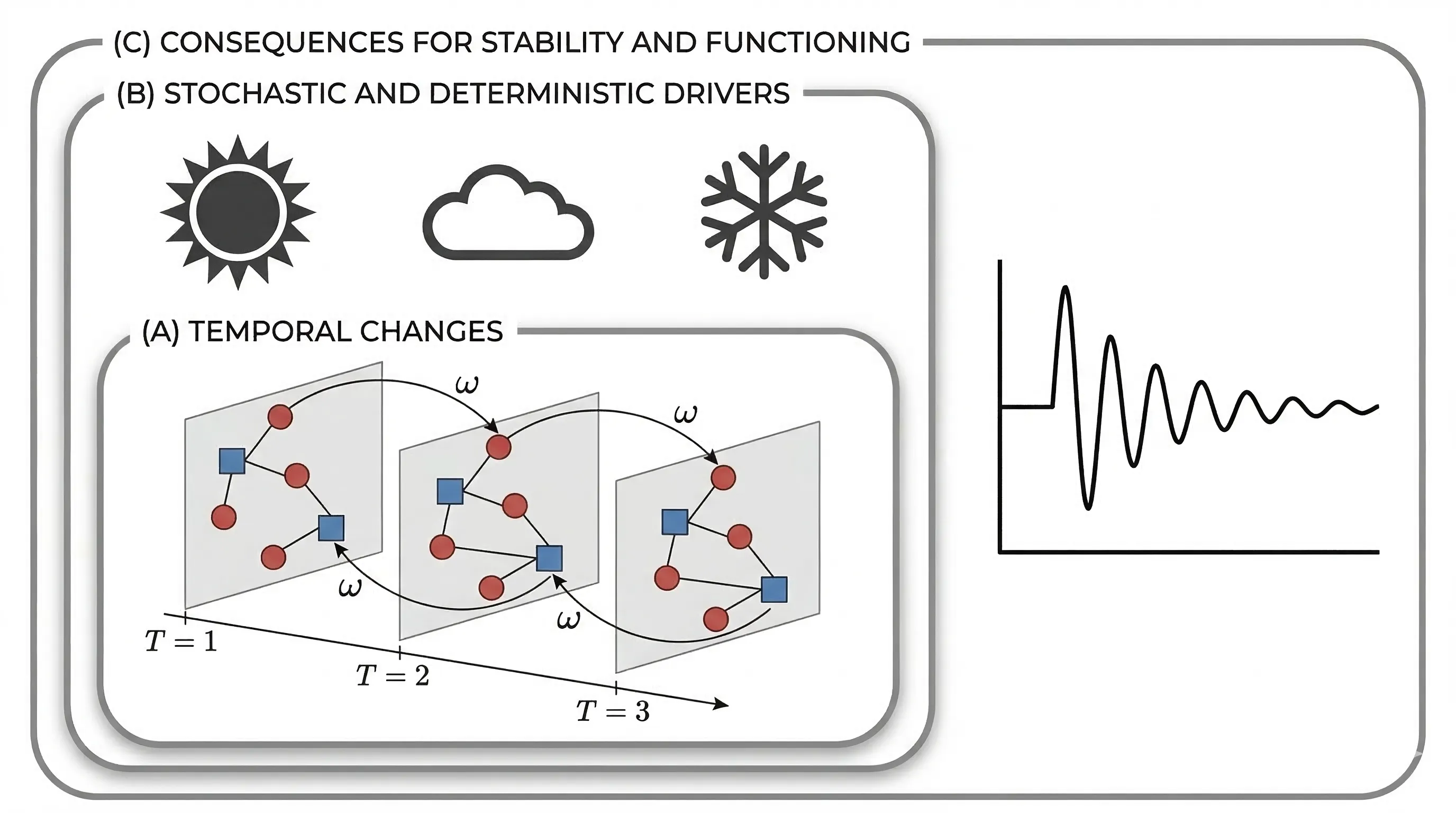
The effect of temporal variability of species interactions on the stability and functioning of ecosystems.
How does temporal variability in species interactions shape the stability and persistence of ecological communities?
Investigates how species interactions change over time and how this variability affects the stability and functioning of ecological communities. By combining theoretical models, field data, and analytical tools, it aims to identify whether these changes are driven by deterministic factors or stochastic processes. Ultimately, the project seeks to develop a dynamic, non-equilibrium perspective of ecological communities to better understand biodiversity maintenance in a changing world.
Collaborations & Previous Work
Mechanisms of maintenance of species diversity in variable environments (MEDINAS)
Investigated the ecological mechanisms that enable the coexistence of species in variable environments, integrating natural communities, and combining both biotic (competitors, pollinators, pathogens) and abiotic (salinity, soil moisture) factors.
Maintenance of species diversity and the stability of ecosystem functioning (BioFUNC)
Non-hierarchical competition and the maintenance of species diversity
Competitive hierarchies and the maintenance of species diversity.
How positive interactions improve predictions of plant community diversity.
Linking network structure and species coexistence